Our Newsletter

The Snap

Like being in the know? We do, too. That’s why we created The Snap—a punchy take on the latest communications strategies and trends, delivered straight to your inbox.

LATEST ISSUE

Is it time to Marie Kondo your marketing?

February 2026

You know that oddly satisfying feeling when you finally clean out your closet? The donation bag is full, the junk drawer closes, and you can actually breathe again?

Now…when’s the last time you did that with your marketing strategy?

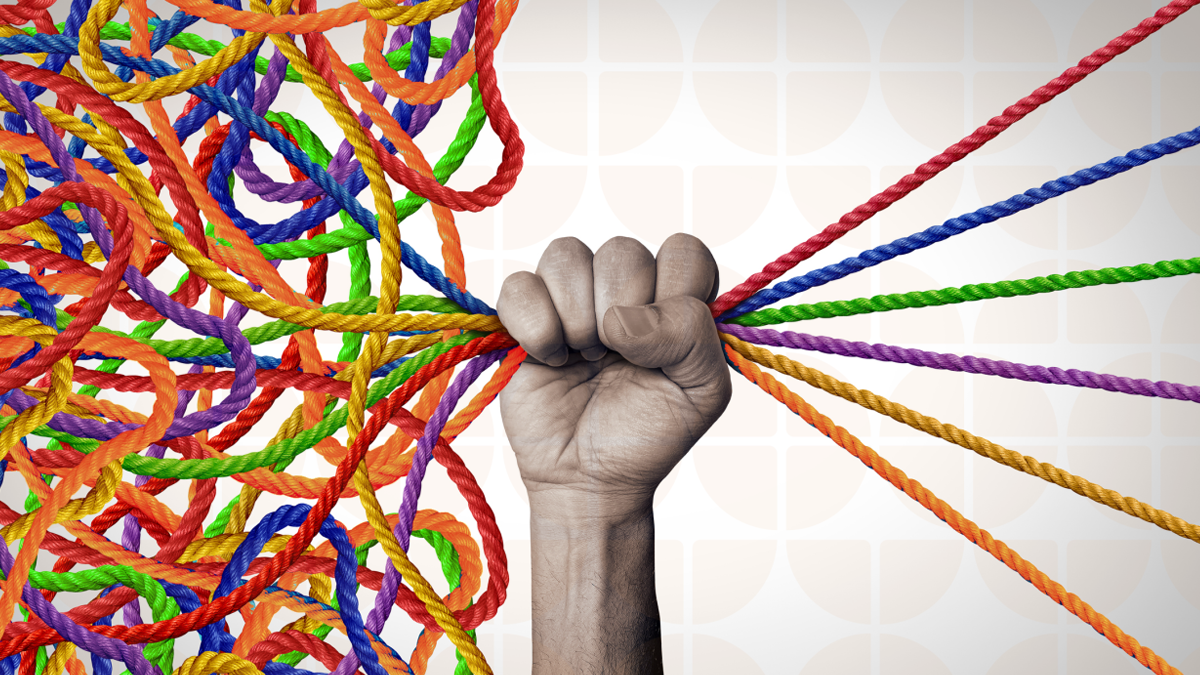
A new year isn’t just about piling on more content, shinier platforms, and longer to-do lists. It’s about making room, taking stock, and letting go of the tactics that quietly drain your time, energy, and budget.

Especially the ones that stick around simply because, well, “you’ve always done it that way.”

This issue of The Snapis all about the great marketing purge: how to decide what’s working, what deserves a rethink, and what might be ready for respectful (or not-so-respectful) retirement.

Because 2026 is about leveling up—not leaning back.

The 6-Question Test Every Marketing Tactic Should Pass

Not everything in your marketing mix deserves to come with you into 2026. Before you cling to a tactic out of habit—or nostalgia—run it through this simple litmus test.

1. Does it still serve you?

There’s a moment when you realize a once-beloved hairstyle has quietly stopped doing you any favors. It worked for a long time. Until it didn’t.

Marketing tactics are no different. Business goals evolve. Audiences change. Tactics age. That email series, campaign, or approach may have earned its keep in the past, but if it’s no longer driving relevance or results, it might be worth questioning its place in your toolbox.

Watch out for:

  • Persona decks built once and never revisited, even as audience behavior shifts.
  • Content calendars filled just to meet a schedule, not a purpose.
  • Gated PDFs offering information your audience can Google in 30 seconds.
  • Campaigns driven by internal priorities/desires, not audience needs.

2. Is it relevant?

For years, brands believed they had to say everything themselves—perfectly, consistently, and at scale. But it turns out the most persuasive voice isn’t always yours, it’s your customers’, your members’, and your community’s.

User-generated content trades polish for proof. It replaces “Here’s what we want you to know” with “Here’s how it actually works.” And in an era where trust is earned—not claimed—that swap matters.

Shift from > Brand-created content only—carefully scripted, highly polished, entirely controlled. To > Real stories from real people, shared in their own words, on their own terms

3. Is the juice worth the squeeze?

Time, budget, approvals, revisions, and the collective patience of your team—every tactic comes with a cost. The real question isn’t can you do it, it’s whether the return justifies the price tag.

If a tactic is draining resources without moving the needle, it may be time to redirect that energy somewhere smarter.

Example: Endless email journeys with single-digit open rates vs. one thoughtfully designed print piece that actually gets opened, read, and remembered.

4. Is this a good use of your team’s time?

Some tactics don’t just underperform—they quietly drain your smartest people. When capable teams spend their days creating low-impact work, the real loss isn’t only budget, it’s momentum, creativity, and morale.

Example: Bi-weekly social posts created just to “stay active,” while bigger ideas that could truly make an impact never make it off the whiteboard.

5. Would you choose it again today?

Some tactics stick around because they once worked really well. They had a moment. Maybe even a few great years. But be honest: are you still excited about it—or just used to it?

Letting go of something comfortable can feel risky. Staying static is riskier.

Example: Hosting the same annual virtual event, year after year, even as attendance dips and in-person options make a strong comeback.

6. Does it tie back to your overall strategy?

The strongest marketing doesn’t live in silos. It compounds.

If a tactic can’t clearly connect to your bigger goals—or reinforce what’s happening across other channels—it may be doing work without doing enough work.

Example: A one-off ad campaign with no clear path to action vs. a story-driven LinkedIn newsletter that fuels engagement, sparks conversations, and supports sales over time.


Tip of the Month

Sometimes “enhance” is code for “start fresh.”

We’re often asked to enhance existing materials—sales decks, RFP responses, and collateral. But once we dig in, it’s clear that the story is buried under years of add-ons, edits, and good intentions.

Here’s the surprise: starting fresh is often faster, cleaner, and more cost-effective than polishing something that’s lost its shape.

Don’t be afraid to say goodbye to the old. Clarity comes faster when you stop working around the edges.

Oh, Snap!

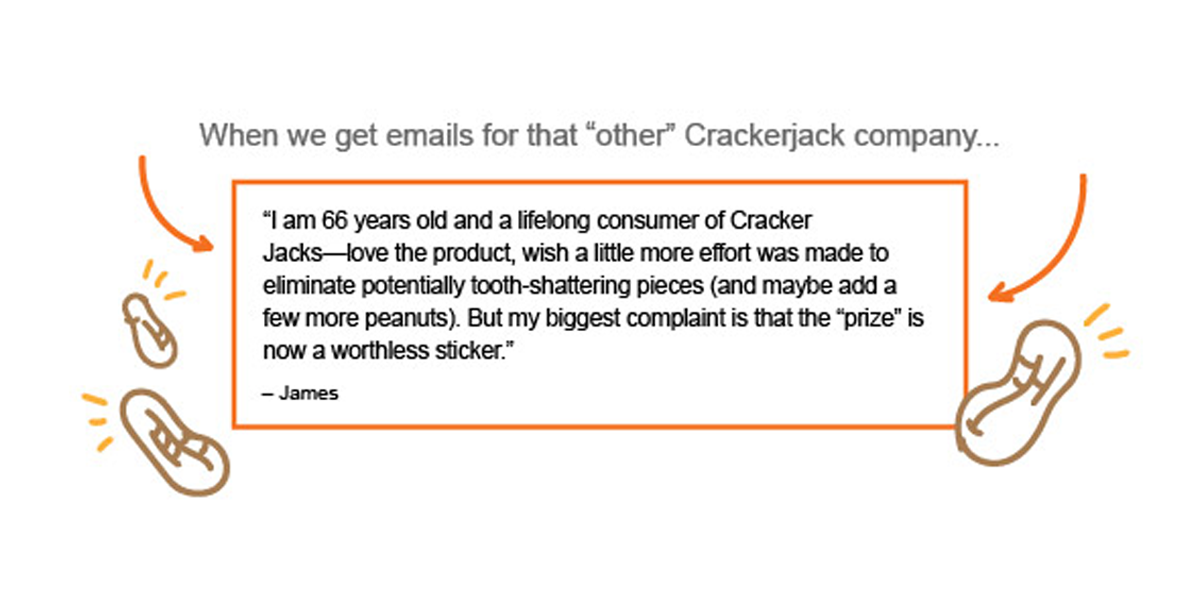
Totally with you on this one, Paula. Nothing says “joy” like a tiny plastic treasure, and cardboard just doesn’t cut it. That said, if stickers are the peak of evil in 2026, maybe we’re still doing a-okay.

Ready to spark joy—and better results—in 2026? If so, hit us up at heythere@crackerjackcom.com.

This field is for validation purposes and should be left unchanged.
Name(Required)